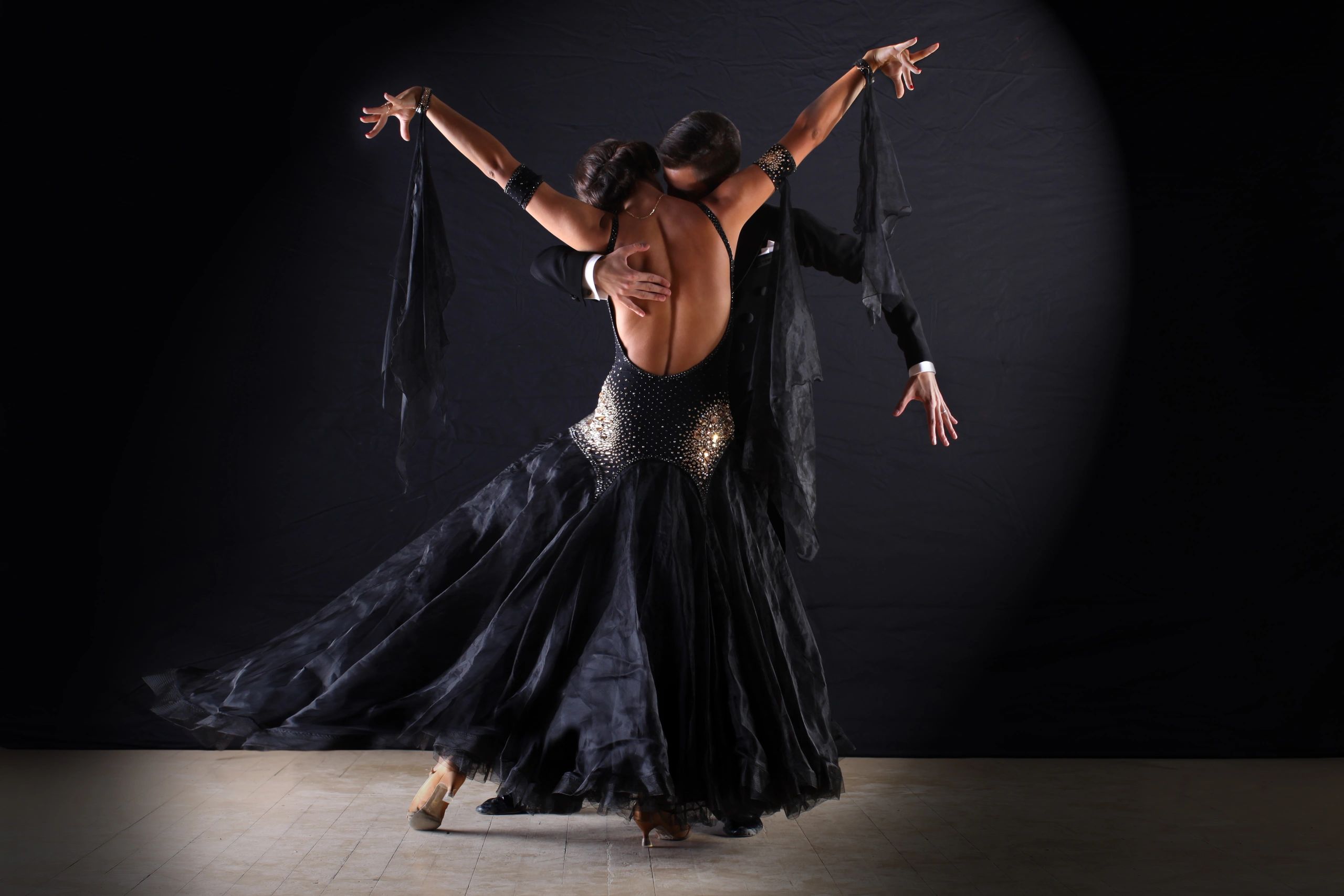
Audition Prep: A Working Ballroom Dancer’s Checklist
An audition — whether it is a studio teaching tryout, a competition partnership audition, or a performance-company call — is a short window to show who you are as a dancer and a professional. Preparation is what separates the dancers who book from the dancers who almost book. This checklist walks through everything to do before, during, and after a ballroom dance audition.
Before the Audition
Research the studio or company. Know their style focus, their syllabus if it is a studio, and their reputation. Practice the styles you will be asked to show until they are clean and automatic — an audition is not the place to work things out. If it is a teaching audition, prepare a short demonstration lesson; studios frequently ask you to teach a basic figure to someone playing a beginner. Confirm logistics: time, location, what to bring, and what to wear. Build in margin so you arrive early and unrushed.
What to Bring
- A printed copy of your ballroom-specific résumé (see our résumé guide).
- Appropriate dance shoes for every style you may be asked to perform.
- A change of clothes and basic grooming kit.
- Water, and a small snack for long audition days.
- Any certifications or references they have asked you to provide.
What to Wear
Dress so your technique is visible and your presentation is polished — fitted practice wear that lets the panel see your lines, proper dance shoes, neat grooming. You do not need full competition costume for a teaching audition, but you should look like a professional who takes presentation seriously. Ballroom is a presentation-oriented field, and the panel notices.
During the Audition
Arrive early and be warm and professional with everyone you meet — the receptionist’s impression can matter as much as the panel’s. When you dance, commit fully; a clean, confident basic beats a shaky advanced figure. If you are asked to teach, explain the mechanics clearly and adapt when your “student” does not get it the first time — that adaptability is exactly what studios are testing. Ask thoughtful questions about the role; it signals genuine interest. For the deeper picture of what panels weigh, read what studios look for when hiring.
After the Audition
Send a brief, genuine thank-you message within a day. It is simple professional courtesy and it keeps you front of mind. If you do not hear back, a single polite follow-up after a week is appropriate. And whatever the outcome, note what you would do differently — every audition is practice for the next one.
Frequently Asked Questions
What should I expect at a studio teaching audition?
Usually a short conversation, a demonstration of your dancing in the styles you teach, and a mock teaching segment where you teach a basic figure to someone acting as a beginner. The teaching segment is often the deciding factor.
Do I need competition costume for an audition?
No. For a teaching audition, polished fitted practice wear and proper dance shoes are appropriate. Full costume is only expected for certain performance-company auditions.
How should I follow up after an audition?
Send a short, sincere thank-you within 24 hours. If you have not heard back after about a week, one polite follow-up message is appropriate. Beyond that, give them space.
Next Steps
- Build a ballroom-specific resume that lands the audition
- Understand what studios evaluate
- Browse current openings to audition for
Preparing for a big audition? We are happy to help you get ready.