
Pro-Am Coaching: How It Works and What It Pays
Pro-Am coaching is one of the most lucrative — and most misunderstood — corners of a ballroom dance career. For many established instructors, coaching competitive Pro-Am students earns as much as, or more than, their regular studio teaching. This guide explains what Pro-Am coaching actually is, how the income works, what the role demands, and whether it is the right direction for your career.
What Pro-Am Coaching Actually Is
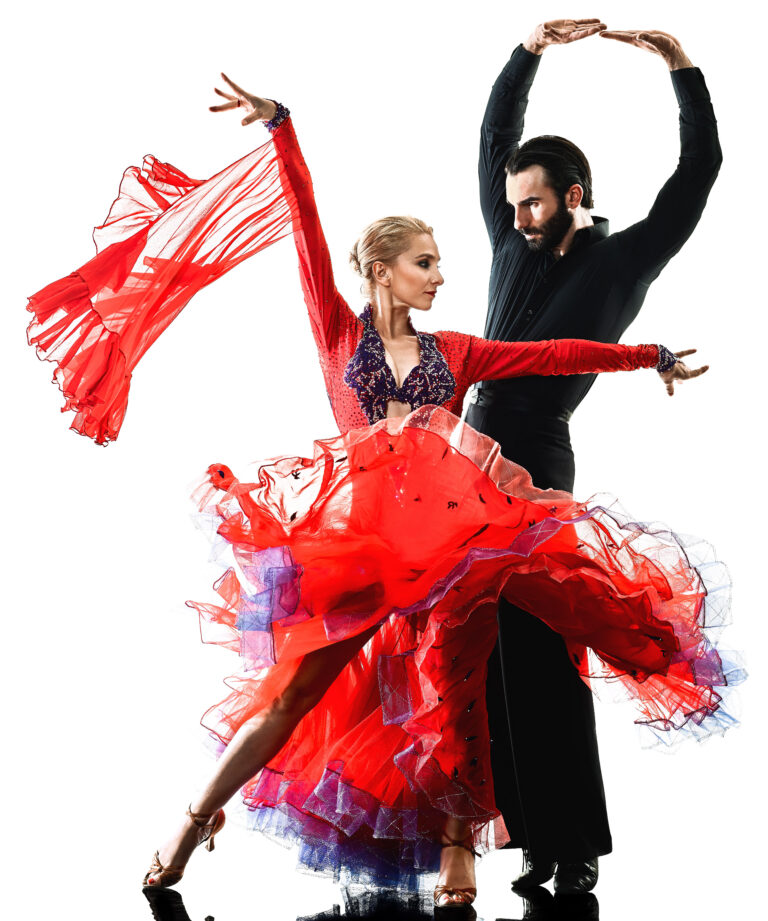
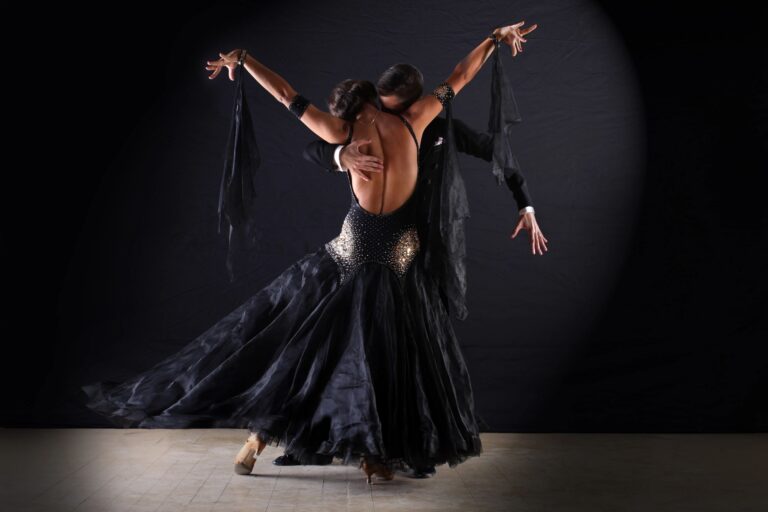
Pro-Am — short for Professional-Amateur — is a competitive format where a professional instructor competes on the floor with an amateur student as a partnership. The professional leads; the amateur is judged. It is the backbone of the US competitive ballroom scene: most amateur competitors at studio competitions are dancing Pro-Am with their own instructor. As a coach, your job is to develop a student’s competitive dancing, choreograph their routines, prepare them mentally, and partner them at events.
The Pro-Am Income Model
This is what makes Pro-Am financially distinctive. A committed Pro-Am student generates two income streams for their coach. First, the regular weekly lesson rate — the same lessons any student takes. Second, the competition-related income: coaching fees, the cost of the professional’s time on the competition floor, and travel reimbursement. A single dedicated Pro-Am student who competes at several events a year can add $10,000 to $30,000 of annual income for their coach, on top of weekly lessons. Instructors who specialize in Pro-Am often out-earn senior instructors who only teach in the studio. For the full picture, see our ballroom dance instructor salary guide.
What It Takes to Be a Pro-Am Coach
Pro-Am coaching demands more than strong teaching. You need genuine competitive dancing ability — you are on the floor being seen by judges. You need choreography skill to build routines that flatter each student’s level and strengths. You need the temperament to manage competition nerves, both your students’ and your own. And you need reliability and stamina: competition weekends are long, and your students are trusting you with a real financial and emotional investment. Many coaches build toward Pro-Am after a few years of studio teaching rather than starting there. The path usually runs through the stages described in how to become a ballroom dance instructor.
The Rhythm of Competition Season
Pro-Am coaching is seasonal in feel. Competition calendars cluster events, so you will have intense stretches — travel, long event days, back-to-back heats — and quieter stretches focused on lesson work and choreography. Budgeting both your time and income around that rhythm is part of the craft. The studios that run strong Pro-Am programs tend to be the ones hiring for it, which is worth knowing when you read what studios look for when hiring.
Is Pro-Am Coaching Right for You?
Pro-Am suits instructors who love competition, enjoy the coach-athlete relationship, and want the higher income ceiling. It is less suited to those who prefer steady studio teaching without travel, or who do not enjoy being judged on the floor themselves. If you are weighing the competitive path against general studio teaching, our comparison of DanceSport versus social ballroom careers is a useful next read.
Next Steps
- See how Pro-Am income fits the full salary picture
- Read the complete guide to becoming an instructor
- Browse studios hiring for coaching and Pro-Am roles
Thinking about moving into Pro-Am coaching? Reach out — we are happy to talk it through.