DanceSport vs. Social Ballroom: Which Career Path?
Ballroom is not one career — it is two. The competitive world of DanceSport and the social-dance world of studio teaching look similar from the outside but reward different skills, run on different rhythms, and pay in different ways. Choosing which to build toward is one of the most important early decisions in a ballroom career. This guide breaks down the difference so you can choose deliberately.
What Is DanceSport?
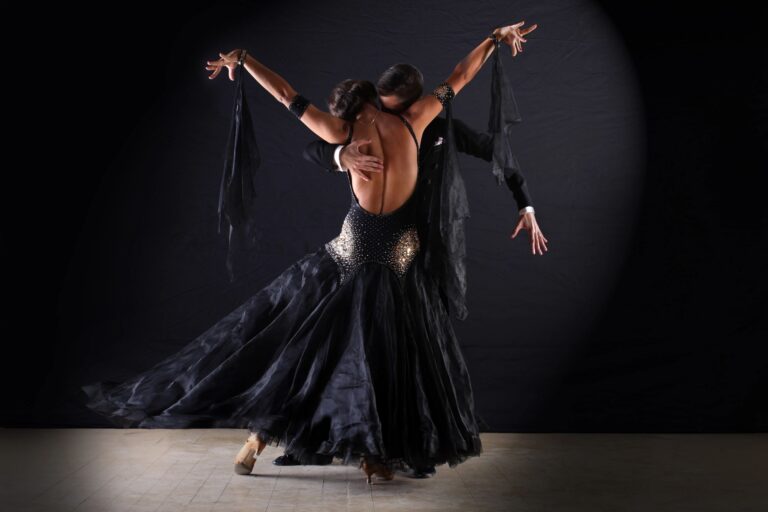
DanceSport is competitive ballroom — the world of championships, rankings, and adjudicated performance. A DanceSport-focused career centers on competing, coaching competitive students, choreographing routines, and building a reputation through results. It is athletic, demanding, and prestige-driven. The technical bar is high and visible, because judges are watching.
What Is Social Ballroom?
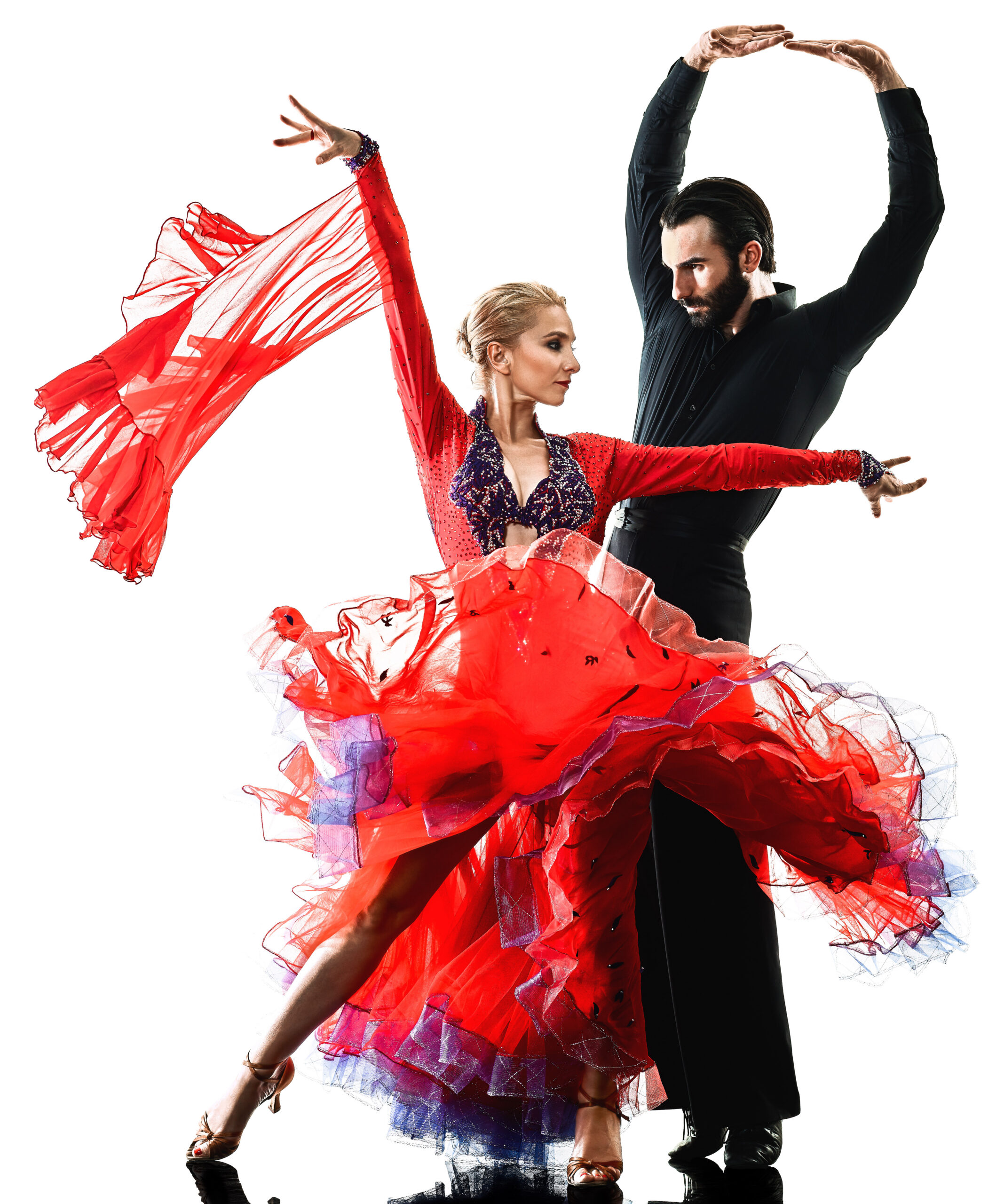
Social ballroom is the world most studio students live in — wedding-dance lessons, date-night couples, retirees taking up a hobby, beginners who simply want to enjoy moving to music. A social-focused career centers on teaching, relationship-building, and helping non-competitive students grow. The technical demands on you are real but different: you need to teach clearly and make dancing joyful, not necessarily to compete at a high level yourself.
The Career Differences
A DanceSport career rewards competitive achievement — your own results and your students’ placements build your name. It often leads toward Pro-Am coaching, judging, and choreography. A social-ballroom career rewards teaching consistency and student retention. It builds a stable book of loyal students and can lead toward studio management or ownership. Neither is “higher” — they are different ladders.
The Income Differences
DanceSport-leaning careers have a higher ceiling and more variability — competition coaching, travel income, and the income swings of a seasonal calendar. Social-ballroom careers tend to be steadier: a full schedule of weekly lessons produces predictable income without the travel. The biggest earners usually blend both — a stable social teaching base plus a few committed Pro-Am students. Our salary guide breaks down exactly how the two stack.
The Lifestyle Differences
DanceSport means travel, competition weekends, intense seasonal stretches, and being judged. Social ballroom means a more regular weekly schedule rooted in one studio and one community. If you love the adrenaline of competition, DanceSport will energize you. If you want a predictable life and deep local relationships, social teaching will suit you better.
How to Choose
You do not have to choose forever — many instructors lean one way early and blend later. But lean somewhere. Trying to be equally competitive and equally social-focused from day one spreads you thin. Pick the ladder that matches your temperament, then build. Whichever you choose, start with the fundamentals in how to become a ballroom dance instructor and the credential landscape in our certification guide.
Next Steps
- Explore the competitive path: Pro-Am coaching
- Compare income across both career paths
- Browse ballroom dance jobs across both worlds
Still weighing the two paths? Talk it through with us.